
The Sustained Struggle in your Story
Screenwriting is all about making life hard for our characters. Messing up their plans by launching them into a sticky situation and piling on the problems; and messing with their heads through unresolved internal issues that cloud their judgement, wreck their relationships and deny them happiness.
But defining the main dramatic conflict of a screenplay (whether it’s one you are writing, or one you are studying to learn from) isn’t simply a matter of pointing to the biggest issue that the character faces at the start of the script or even the biggest lesson that they need to learn.
The central conflict of a film doesn’t truly emerge until the character takes action and attempts to solve their problem.
Conflict is two-sided. One force pushing one way meeting resistance from another force pushing back. A fight.
Which means that the more useful and most meaningful definition of a screenplay’s central conflict will be formed from examining this question: What is the main character trying to solve about their situation and what is the main obstacle that means they cannot easily or simply do that?
In Jaws, Chief Brody needs to keep the townspeople safe from shark attacks. The main conflict he faces isn’t the fact of the shark itself (the starting situation) it’s the determination of the mayor to keep the beaches open for the holiday weekend (the resistance or complicating opposition).
That’s the SUSTAINED STRUGGLE that runs for the duration of the movie: from the Mayor changing the facts to say the teenage swimmer was dismembered by a propeller, to the refusal to cut open the small shark the fishermen catch, to actively encouraging the townspeople into the water so the holiday-makers follow suit.
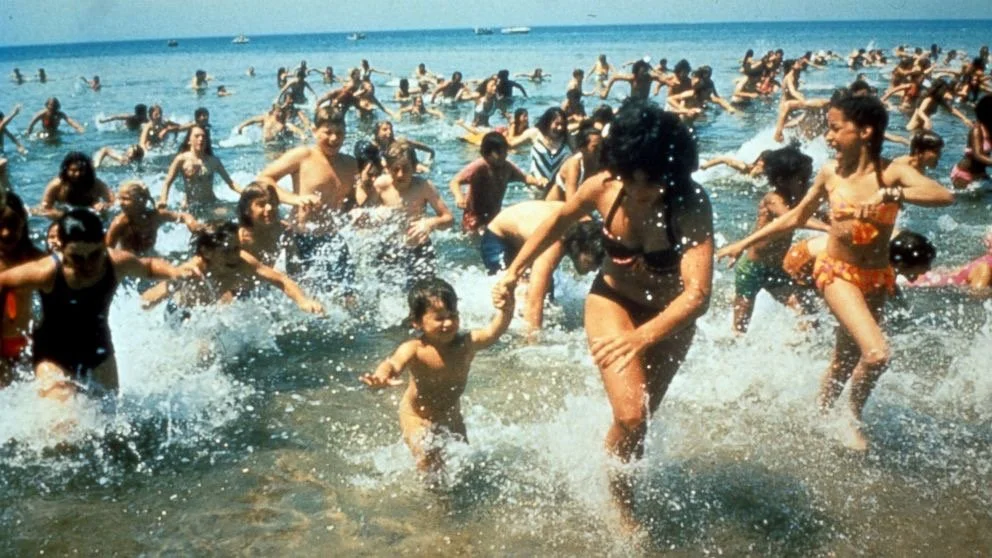
Defining the sustained struggle of your character forces you to dive right into planning the heart of the story.
Because the sustained struggle of your story isn’t the problem the character starts with. But what they come up against once they start to take action.
To determine the main dramatic conflict of your screenplay idea ask this: what, precisely, are we going to watch the character grapple with as the story evolves? What ongoing battle are they in for the central part of the movie?
When writers treat the character’s starting situation as their main conflict then it’s all too easy to run out of steam in the second act. The plotting tends to repeatedly circle back to the initial issue, but it’s often neither convincing or interesting that it takes the entire film for the character to make any real progress in solving their problem.
If, instead, you figure out what the ongoing fight of the film is, that frees you to approach the set up a little differently. As only the beginning of the problem.
A problem that will escalate when the character takes active steps to solve it.
Allowing the stakes to build also gives you space in the story set-up to lay out the pressures and tensions in story world that reinforce the opposition argument and can later feed into the fight to keep that second act moving. Because each action the character takes should serve to intensify their problem: making it all the more important that they do solve it whilst unleashing or revealing ever more motivated opposition to their plans or attempts to do so.
‘What is the main obstacle that means the character cannot easily or simply solve their problem?’ needs to be just as compelling as the reason the character must solve their problem. To create doubt, jeopardy, and the very real possibility that the character might not succeed finding that match is the key.