Want vs Need: is the distinction necessary?
Most emerging screenwriters seem to have absorbed the want vs need model as the de-facto foundation for a character arc. Essentially that the character sets out in pursuit of something that they think they want, but the process of trying to achieve it will force them to understand that it was never what they really needed and they’ve been focussing their energies on pursuing entirely the wrong thing.
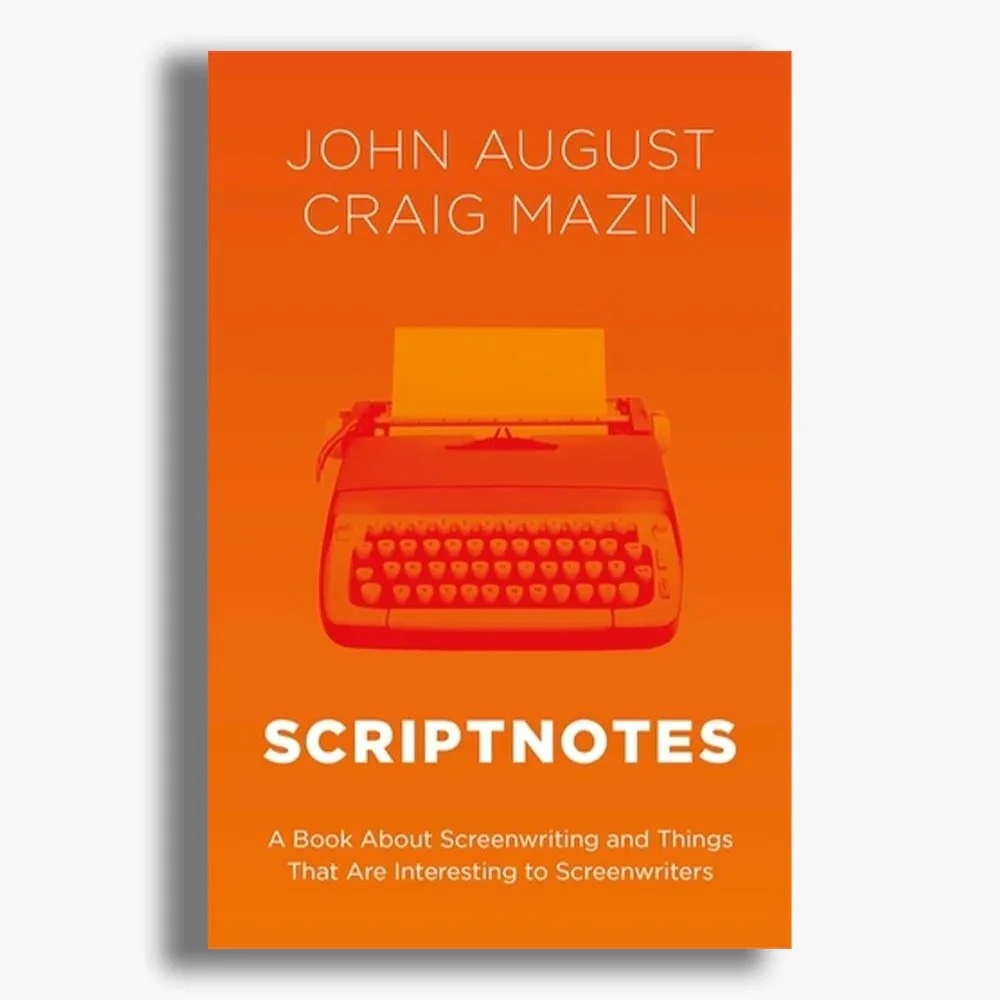
I have always had issues with this theory, and so it seems do Craig Mazin and John August. In the book Script Notes based on their podcast of the same name, they declare that ‘trying to distinguish between characters’ wants and needs is generally frustrating and almost universally pointless.’ They actually go as far as to call the theory ‘bullshit’. Backed up by such brilliant writers, I feel more confident to explain my position.
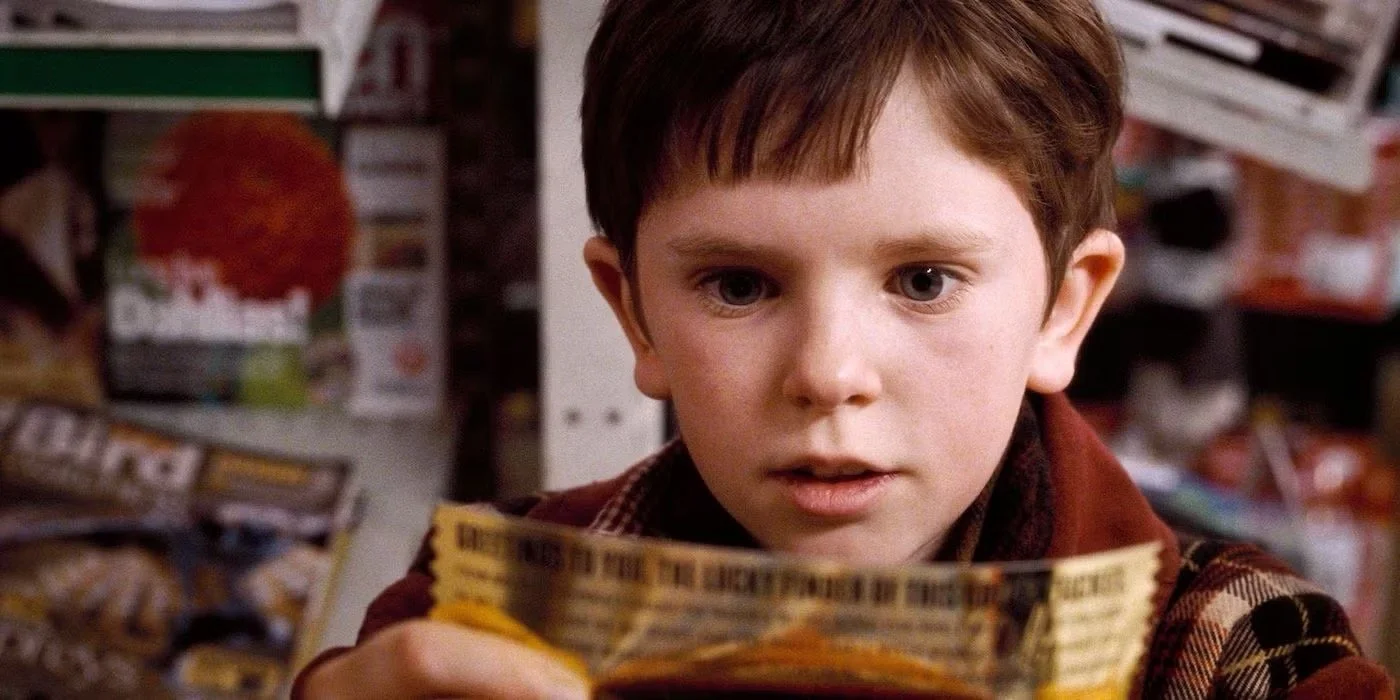
But first the necessary caveat! Of course, there are stand-out examples of films in which this model works (which, Mazin and August note is why it’s remained such a staple of screenwriting lore). The most compelling are movies in which the character doesn’t fully understand the reason WHY they want something so much until the want is revealed to be driven by a deeper, powerful primal need. The example given in Script Notes is Charlie And The Chocolate Factory in which Willy Wonka wants an heir but needs a family. I would also flag up Andrea Arnold’s debut feature Red Road in which Jackie wants revenge: an impulse masking the real need to forgive herself.
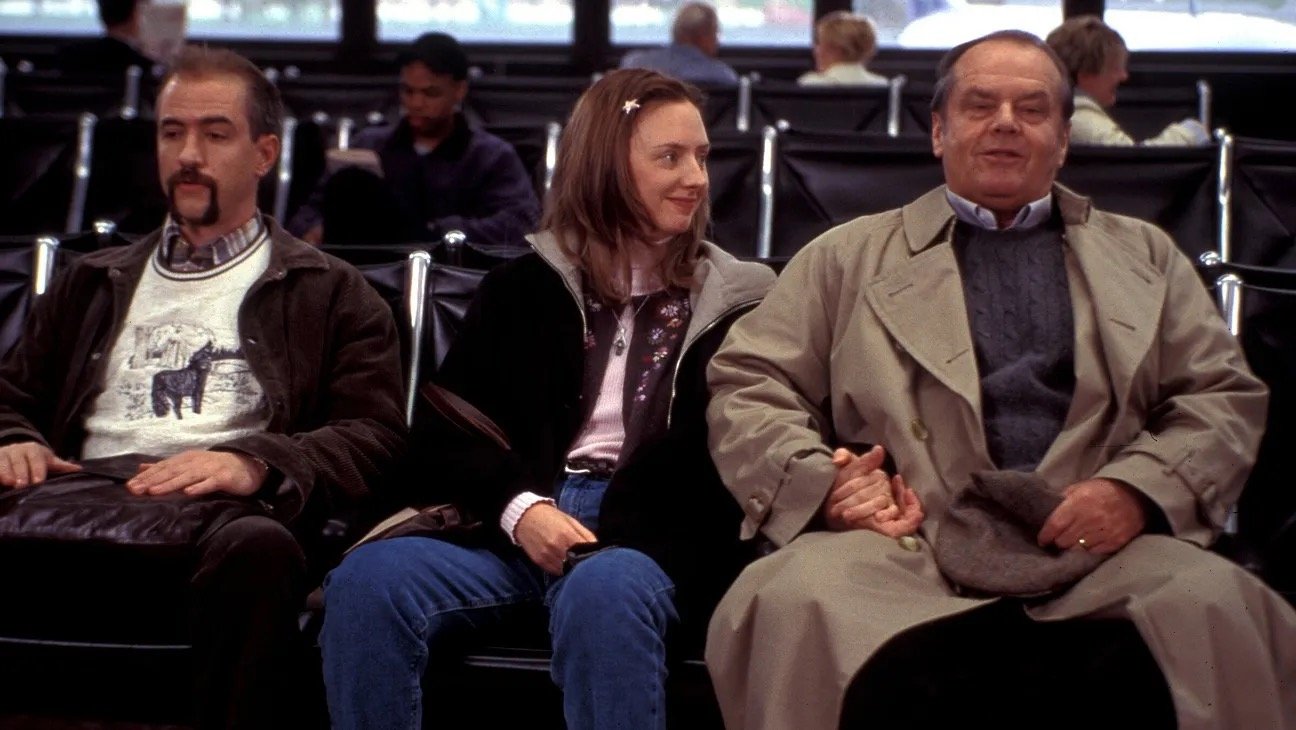
The theory generally also tends to hold true to rites of passage films in which the characters are resisting the transition to the next stage of life. The desire to reverse aging or halt the inevitable passing of time translates into the character pursuing an active goal that represents clinging on to a stage of life that’s over or is about to be, in an attempt to avoid the reality they need to face. Jack Nicholson in About Schmidt, newly retired and widowed, decides the answer to his life is to rekindle the relationship he had with his daughter when she was a little girl, even though that daughter is about to get married and he knows nothing about her adult life. The boys in Stand by Me want to be hailed as heroes for finding the dead boy and bringing his body back to town, but their summer adventure also forces them to confront the truth that their own childhoods are over and they must leave the dead boy (and their own innocent younger selves) behind.
Of course in every film some aspect of the character’s goal or how they believe they need to interact with the world will shift over the course of their struggle. Most characters will have to surrender or sacrifice something before they can ultimately solve their problem, which can be considered as giving up a want. They will probably also learn a new skill or acquire a new mindset before they can successfully complete the task, which can be considered as discovering what they need. But that’s very different to a blunt dichotomy between a want and need shaping the entire story.
Forcing a stark split between want versus need often results in characters who are hard to engage with.
This is largely because there is often an inherent moral judgement implied in making the distinction. It suggests there is a universal list of damaging desires for a person to pursue versus a list of lessons the character needs to learn that will improve them. In reality, what’s good or necessary is far more nuanced than that. A character with martyr-like tendencies might need to learn to set boundaries and be a little more selfish, whereas a career-driven, success orientated character might need to learn to let people in and stop being so self-absorbed.
So writing a story in which a character is pursuing something that can be clearly categorised as ‘wrong’ often results in them being given quite unattractive qualities. Egotism, pride, anger, violence, avarice, vanity, despair are very common starting points for many characters in scripts that I read. The writers’ rationale is that because we recognise the destructive path the characters are on that we will be invested in whether or not they sort themselves out and turn things around. That’s a big ask of an audience’s time and emotional investment. Especially when (to satisfy the model) such characters are denied any self awareness.
It’s also very different from giving your character a great big blind spot that creates problems for them and makes them vulnerable. Those blind spots are best when they come from HOW the character pursues their goal, not what the actual goal is. Their intentions are all good, but an aspect of their approach is informed by a false belief that will bring about failure before they shed that false belief and can eventually succeed. Such blind spots are incredibly useful for generating turning points. But they’re not the character’s most defining quality.
Mostly, as audience, we want to get on board with characters in the stories we choose to watch. Their goals might be unconventional or even questionable but can we be persuaded to buy into their reasoning or be seduced by their aspirations enough to embark on the journey? Rather than signposting how wrong-headed the character’s goal is at the beginning of the film, it means cleverly disguising the fact that what the character is actively pursuing might not be the best plan.
My absolute favourite example of this remains the scene in Little Miss Sunshine in which the family figure out how they are going to get Olive to the pageant. Clearly it’s not great parenting to take a chubby 8 year old across the country to compete in a beauty contest. But that glaringly obvious issue gets completely buried by the complicated logistics the family need to solve to make it happen, all while little Olive is running around screaming ‘I won, I won’ with such soul-lifting joy that to deny her happiness would be an unforgivable cruelty. And the genius stroke is that the one member of the family who would voice what a bad idea it is, older brother Dwayne, has taken a vow of silence and so says nothing. By shifting the dramatic question of the scene to ‘will they figure out how to get everyone to California?’ we, as audience, are successfully distracted from the dumbness of going and co-opted into the plan.
Scripts that succeed in engaging us are those that present clear character motivations that are relatable and justifiable. We know what a character wants or needs and, most importantly, understand why they believe it’s so valuable or necessary.
The way many writers try to apply the want versus need model denies such a solid starting foundation for a story. Their character’s flawed wants are based on unexamined impulses which place the audience way too far ahead in recognising what the character actually needs and probably disinclined to bother watching and waiting while the character catches up.
As with everything in screenwriting, if a theory fits your material then explore all the nuances to make it work best for you. But don’t be enslaved by a model that doesn’t serve the story you want to tell.
And, if you haven’t read it yet, I highly recommend Script Notes. It’s a thought provoking conversation about all things screenwriting, full of great gems and new ways of thinking.